HeLa MCP Ecosystem — Profile & Agent Persona Catalog
Reference
docs/profiles.md
Original source language. Download source · All documents
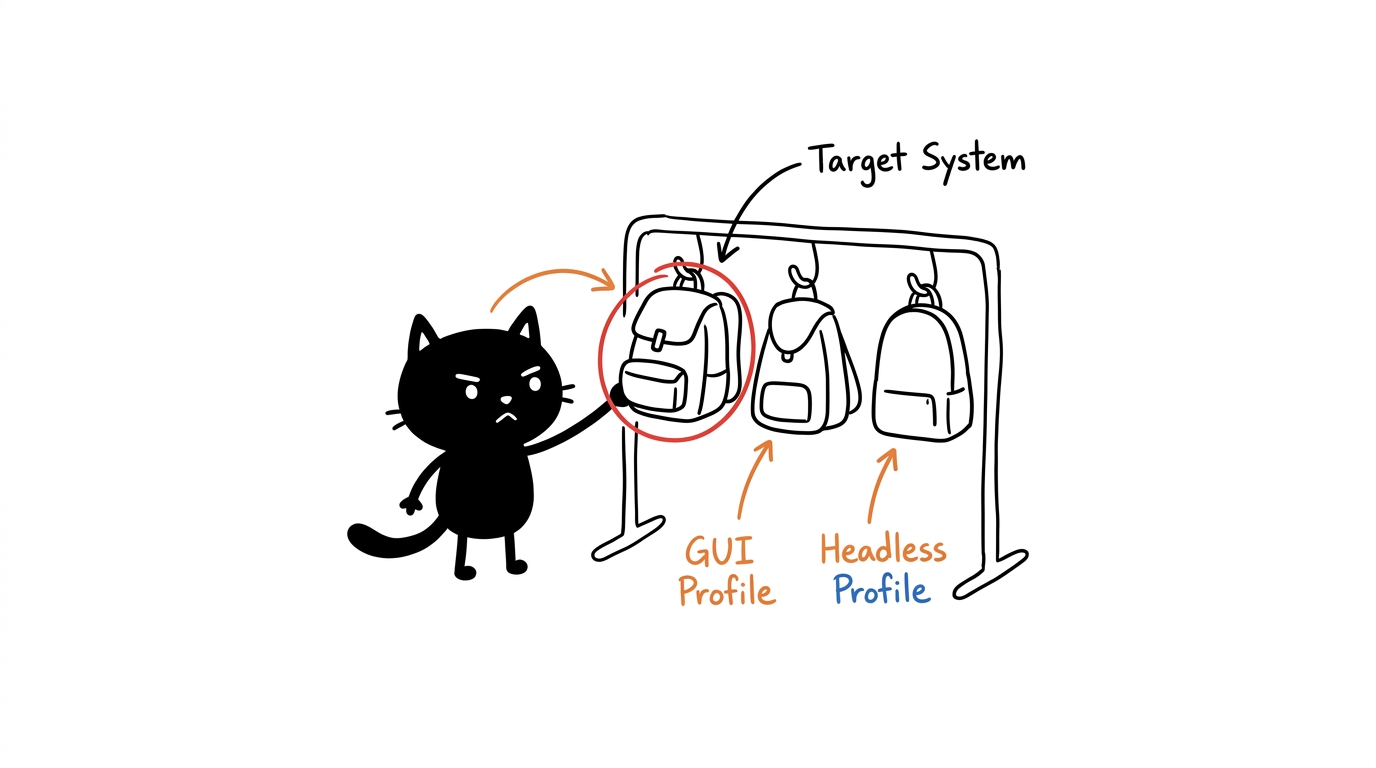
The HeLa MCP Ecosystem organizes capabilities into agent-oriented profiles. Each profile pairs the two foundational backbone servers (HeLa Mitosis for orchestration and HeLa Genome for persistent state) with a tailored set of specialized capability servers.
The Backbone Foundation
Every profile in the ecosystem includes the core dual backbone:
- HeLa Mitosis (
hela-mitosis/chaining-mcp): Intelligent tool discovery, Needle-planned routing, Needle-backed sequential thinking, task decomposition, skills catalog, and workflow orchestration. - HeLa Genome (
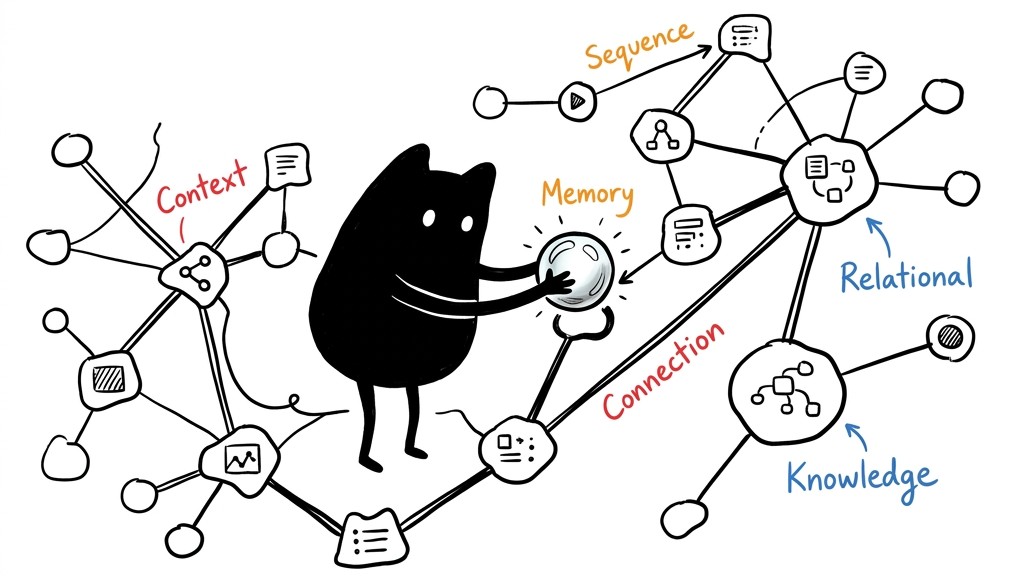
hela-genome/project-mcp): Living SQLite knowledge graph (memory.db), task tracking, architectural decisions, and cross-session context restoration.
Profile Catalog
There are eight profiles. The canonical membership is config/profiles.json; current versions and generated tool counts are in current versions and profile counts.
minimal — HeLa Minimal
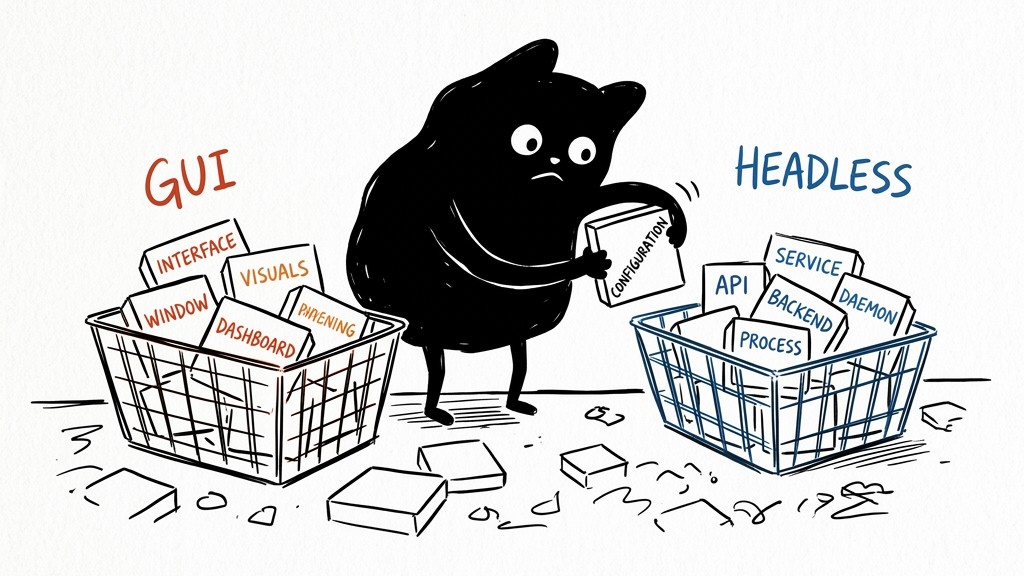
Three servers: hela-mitosis, hela-genome, and hela-enzyme. This is the smallest research/memory stack; it does not require browser, Android, or Blender dependencies. Keyless research still uses the network.
1. dev-workspace — HeLa Dev Workspace
- Target System: GUI / Desktop Workstation
- Agent Persona: Full-Stack Software Engineer & Desktop Workstation Agent
- Purpose: Complete autonomous software development, testing, UI design, and browser verification.
- Included Servers (8 Servers):
- Backbone:
HeLa Mitosis(hela-mitosis),HeLa Genome(hela-genome) - Workspace:
HeLa Membrane(hela-membrane),HeLa Nucleus(hela-nucleus),HeLa Ribosome(hela-ribosome) - Knowledge:
HeLa Enzyme(hela-enzyme) - Design & Web:
HeLa Phenotype(hela-phenotype),HeLa Cytosol(hela-cytosol)
- Backbone:
- Standard Workflow:
- Genome restores project history and open tasks.
- Mitosis decomposes feature requirements into steps.
- Membrane and Nucleus inspect code, run builds, and execute tests.
- Phenotype generates design tokens and Tailwind components.
- Cytosol validates web UI visually via Playwright.
- Genome records decisions, test results, and observations.
2. headless-server — HeLa Headless Server (Core 7)
- Target System: Headless Linux Server / CI/CD Runner / Remote VM
- Agent Persona: Cloud Infrastructure, Headless Server & CI/CD Automation Agent
- Purpose: Autonomous server management, CI/CD pipeline execution, background harness orchestration, and repository maintenance without requiring display servers.
- Included Servers (7 Servers):
- Backbone:
HeLa Mitosis(hela-mitosis),HeLa Genome(hela-genome) - Workspace:
HeLa Membrane(hela-membrane),HeLa Nucleus(hela-nucleus),HeLa Ribosome(hela-ribosome) - Knowledge:
HeLa Enzyme(hela-enzyme) - Design:
HeLa Phenotype(hela-phenotype)
- Backbone:
- Standard Workflow:
- Genome restores environment state.
- Mitosis plans deployment or maintenance sequence.
- Ribosome spawns and monitors long-running background PTY tasks.
- Nucleus executes terminal commands and RTK-optimized queries.
- Enzyme researches technical documentation or package dependencies.
- Genome tracks task completion.
3. research — HeLa Research Terminal
- Target System: Headless / Desktop
- Agent Persona: Deep Research Investigator & Technical Knowledge Synthesizer
- Purpose: Multi-source research, web scraping, literature analysis, fact-checking, and structured documentation generation.
- Included Servers (5 Servers):
- Backbone:
HeLa Mitosis(hela-mitosis),HeLa Genome(hela-genome) - Knowledge:
HeLa Enzyme(hela-enzyme) - Workspace:
HeLa Membrane(hela-membrane) - Interaction:
HeLa Cytosol(hela-cytosol)
- Backbone:
- Standard Workflow:
- Genome restores research topic and prior facts.
- Mitosis constructs research query plan.
- Enzyme queries Google Search and Wikipedia.
- Cytosol extracts full article content from web pages.
- Membrane writes research synthesis to markdown files.
- Genome stores discovered facts into the knowledge graph.
4. web-devops — HeLa Web Dev + Browser Automation
- Target System: GUI / Desktop
- Agent Persona: Frontend Engineer & Web Verification Specialist
- Purpose: Frontend component creation, design token synchronization, automated browser testing, and visual regression checking.
- Included Servers (6 Servers):
- Backbone:
HeLa Mitosis(hela-mitosis),HeLa Genome(hela-genome) - Workspace:
HeLa Membrane(hela-membrane),HeLa Nucleus(hela-nucleus) - Design:
HeLa Phenotype(hela-phenotype) - Interaction:
HeLa Cytosol(hela-cytosol)
- Backbone:
- Standard Workflow:
- Genome restores frontend specifications.
- Phenotype generates OKLCH tokens and Tailwind configuration.
- Membrane creates component files.
- Nucleus starts local development server.
- Cytosol navigates, interacts, and captures screenshot verification.
- Genome records UI validation results.
5. android-testing — HeLa Android Testing Rig
- Target System: GUI / Mobile Automation Host (requires
adband USB/Wi-Fi connected device) - Agent Persona: Mobile QA Tester & Android Device Automation Engineer
- Purpose: Mobile application testing, UI interaction, ADB automation, and mobile debugging.
- Included Servers (5 Servers):
- Backbone:
HeLa Mitosis(hela-mitosis),HeLa Genome(hela-genome) - Workspace:
HeLa Nucleus(hela-nucleus) - Mobile:
HeLa Receptor(hela-receptor) - Knowledge:
HeLa Enzyme(hela-enzyme)
- Backbone:
- Standard Workflow:
- Genome restores issue ticket.
- Nucleus inspects build outputs and logcat streams.
- Receptor connects to device, inspects UI XML tree, and executes tap/swipe gestures.
- Enzyme investigates error codes or crash logs.
- Genome records reproduction steps and bug resolution.
6. 3d-modeling — HeLa 3D / Blender Station
- Target System: GUI / Workstation (requires local Blender 3.6+ installation)
- Agent Persona: Generative 3D Artist & Blender Scene Architect
- Purpose: Autonomous 3D modeling, procedural mesh generation, material assignment, scene composition, and rendering in Blender.
- Included Servers (5 Servers):
- Backbone:
HeLa Mitosis(hela-mitosis),HeLa Genome(hela-genome) - 3D:
HeLa Plastid(hela-plastid) - Workspace:
HeLa Membrane(hela-membrane),HeLa Nucleus(hela-nucleus)
- Backbone:
- Standard Workflow:
- Genome restores 3D project requirements.
- Mitosis breaks down 3D asset generation stages.
- Plastid generates and executes Python scripts inside Blender.
- Membrane saves generated
.blendscene and rendered.pngimages. - Genome records asset metadata and scene relations.
7. all — HeLa All (Full 10-MCP Stack)
- Target System: Any / Fully-Equipped Workstation
- Agent Persona: Complete HeLa Autonomous Engineering Multi-Agent Stack
- Purpose: Unrestricted access to all 10 servers in the ecosystem.
- Included Servers (10 Servers):
hela-mitosis,hela-genome,hela-membrane,hela-nucleus,hela-ribosome,hela-enzyme,hela-cytosol,hela-phenotype,hela-receptor,hela-plastid
Runtime serve mode (orthogonal to profiles)
The HeLa Runtime is not a profile — it is a serve method. Any profile can be served through the runtime:
./setup.sh --profile dev-workspace --client opencode --runtime   # builds dev-workspace cells + daemon
HELA_PROFILE=minimal node hela-runtime/dist/index.js             # run with minimal profile
The runtime advertises only the selected cells' schemas and starts each cell only when invoked. Discovery starts none. Use --runtime with any profile; HELA_PROFILE selects eligible cells and defaults to minimal when unset. Standalone servers remain supported.
Profile Compatibility Matrix:
| Profile ID | Target System | Total Servers | Backbone Servers | Headless Compatible | Requires External Runtime / Device |
|---|---|---|---|---|---|
minimal |
Any / Headless | 3 | Mitosis + Genome | Yes | Network for online research |
dev-workspace |
GUI / Desktop | 8 | Mitosis + Genome | Yes (Playwright) | Playwright / Chromium |
headless-server |
Headless | 7 | Mitosis + Genome | Yes | None |
research |
Headless / GUI | 5 | Mitosis + Genome | Yes | None |
web-devops |
GUI / Desktop | 6 | Mitosis + Genome | Yes (Playwright) | Playwright / Chromium |
android-testing |
Device Host | 5 | Mitosis + Genome | No | adb + Android Device |
3d-modeling |
Workstation | 5 | Mitosis + Genome | No | Blender CLI |
all |
Full Host | 10 | Mitosis + Genome | Partial | Playwright, adb, Blender |